
Where is a good place to store your water?
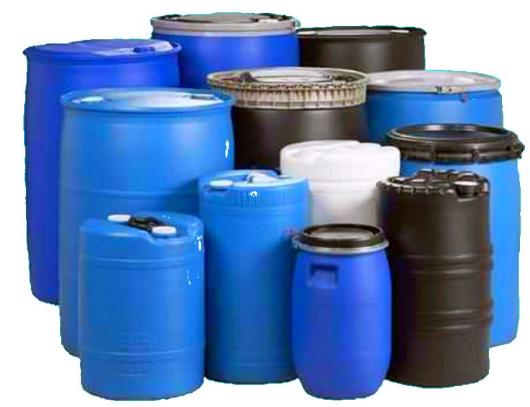
There are many ways and areas to store your water depending on where you live, the size of home you have, and if you are storing them inside/outside.
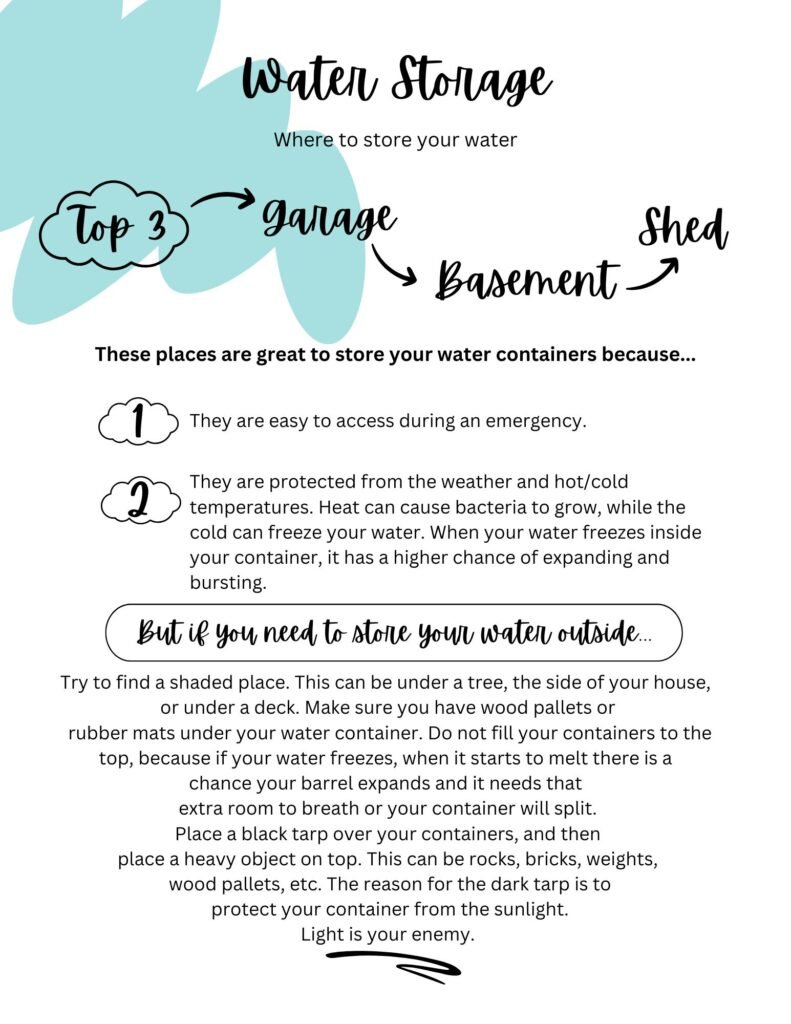
Frequent Asked Questions:
What if I live in a hot area? Can I still store my water containers outside?
Answer: Yes! Follow the same instructions that are above this post, and make sure you use a DARK tarp to cover your water containers. It’s not the heat you should worry about as much as the direct sunlight. Make sure you do your yearly water checks just in case.
Do I need to cover my water containers if they are stored inside my garage and shed?
Answer: No, they can stay uncovered because they are protected from the outside elements.
If I store my water containers on the grass, do I still need to place a barrier under it?
Answer: Yes, because it could cause ground contamination and damage to your lawn. Use a wood pallet, plywood, or a rubber mat to create a barrier to protect your water.
Does it matter if I store my water inside or outside?
Answer: No, you can store it where ever you have room. On a balcony, the side of your home, in your backyard, shed, basement, it does not matter.
I’m nervous about storing my water outside because we get cold winters. Is there a way to keep the water defrosted even if it’s cold outside?
Answer: If you don’t want your water to freeze, store it inside a shed, garage, or other protected areas. Large barrels take quite a while to freeze soild, but cold winters can definitley freeze your water. You can store extra water in the home like water bottles, 15 gallon containers, etc. You can also use a thermostatically controlled, outdoor-rated stock tank/de-icer heater if you have power available. And always leave some room at the top of the barrel for expansion in case the water does freeze.